
When We Started Learning Software Development — And Why That Still Matters Today
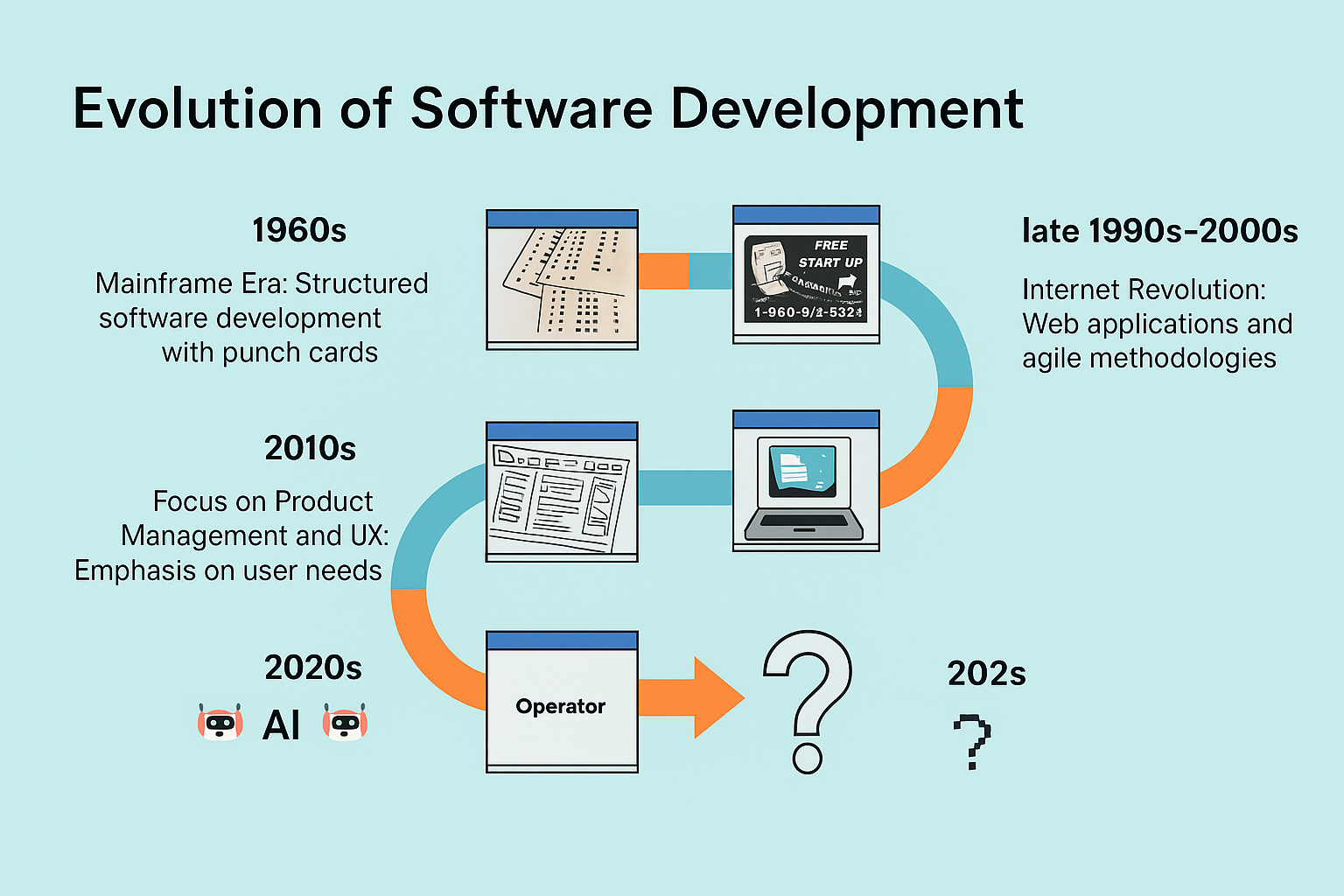
When we started learning software development, there was no Windows, no mouse, and certainly no Google.
Computers were not friendly. They did not guide you. They did not forgive mistakes.
It was the era of DOS-based systems — a black screen, a blinking cursor, and command-driven programs. Every interaction happened through typed commands. You pressed Enter, and the system responded strictly based on what you told it to do — nothing more, nothing less.
There was no graphical interface to hide errors. No pop-ups explaining what went wrong. If the logic was wrong, the program simply didn’t work.
Programming in a World Without Safety Nets
Learning software development back then was not comfortable.
There was:
- No StackOverflow to search for instant answers
- No YouTube tutorials
- No AI tools to generate code
- No IntelliSense or auto-completion
- No frameworks abstracting away complexity
We learned from books, printed manuals, and experimentation. You wrote code, ran it, observed what broke, and fixed it — repeatedly.
The system never helped you. The compiler never guessed your intent. Every mistake was yours — and every solution had to be understood, not copied.
Discipline Before Design
One principle naturally emerged from that era:
Logic first. Design later.
There was no concept of UI-driven development. You had to think through:
- What data enters the system
- How it is processed
- What rules apply
- What conditions fail
- What outputs are produced
This discipline produced software systems that were stable, predictable, and closely aligned with real business workflows.
Why Legacy Systems Survived for Decades
Even today, many organizations still rely on systems built using:
- FoxPro
- Clipper
- VB6
- MS Access
- ASP Classic
- Early WebForms
These systems survived because their business logic was clear, intentional, and deeply understood.
The World Changed — Software Must Change Too
Today’s systems must handle scale, security, integrations, cloud deployments, and real-time data.
Legacy platforms struggle not because their logic is wrong, but because they were never designed for today’s environment.
The Biggest Mistake in Modernization
The most common mistake organizations make is replacing systems without understanding why they worked.
Modernization should preserve discipline — not erase it.
Bringing Old Discipline Into Modern Architecture
At SOAR Technologies, we modernize systems by preserving proven business logic and rebuilding them with clean, scalable, modern architectures.
Technology evolves. Disciplined logic remains timeless.
Who This Blog Is For
This series is written for founders, CTOs, and businesses running mission-critical legacy systems and planning modernization.
If your system still works — but holds you back — we can help.