
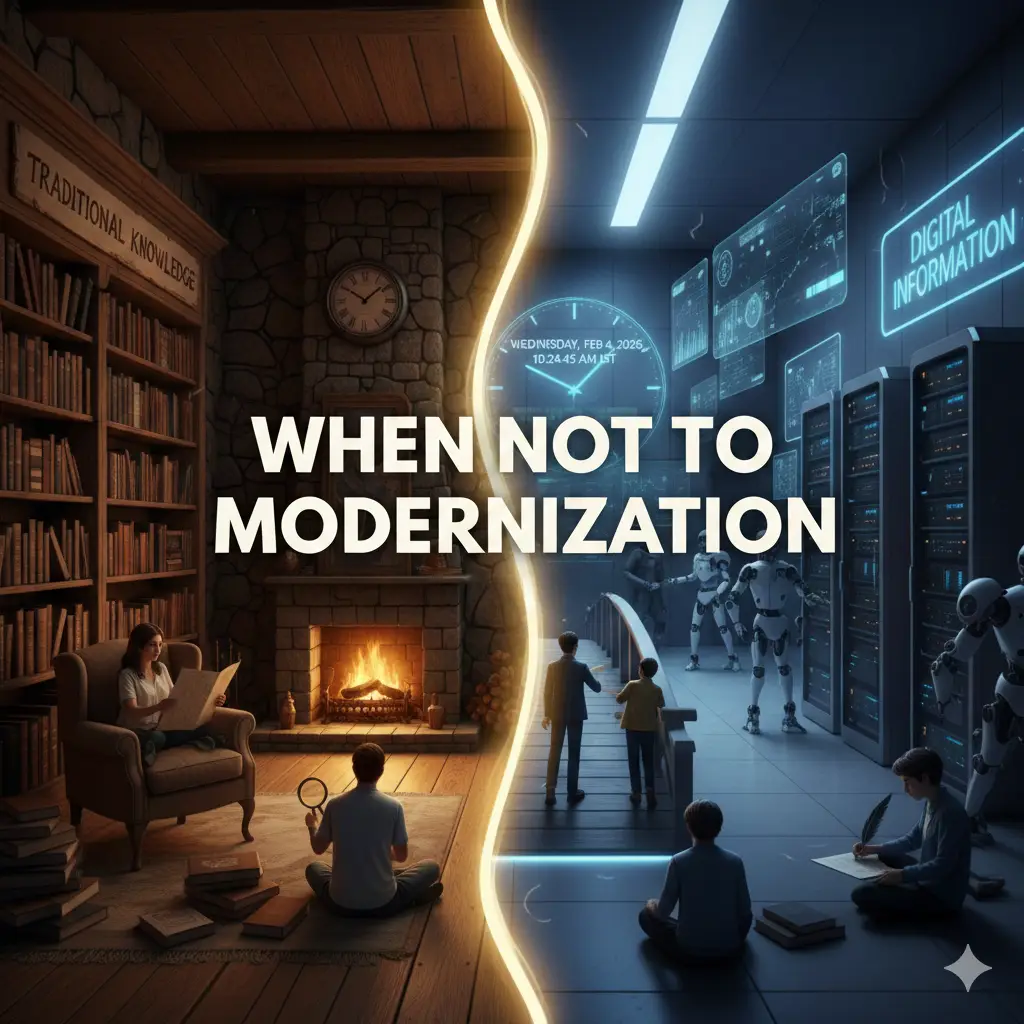
When NOT To
When Not To Modernization is powerful — but it is not always the right decision.Smart leaders also ask: “Should we modernize […]
When Not To Modernization is powerful — but it is not always the right decision.Smart leaders also ask: “Should we modernize […]
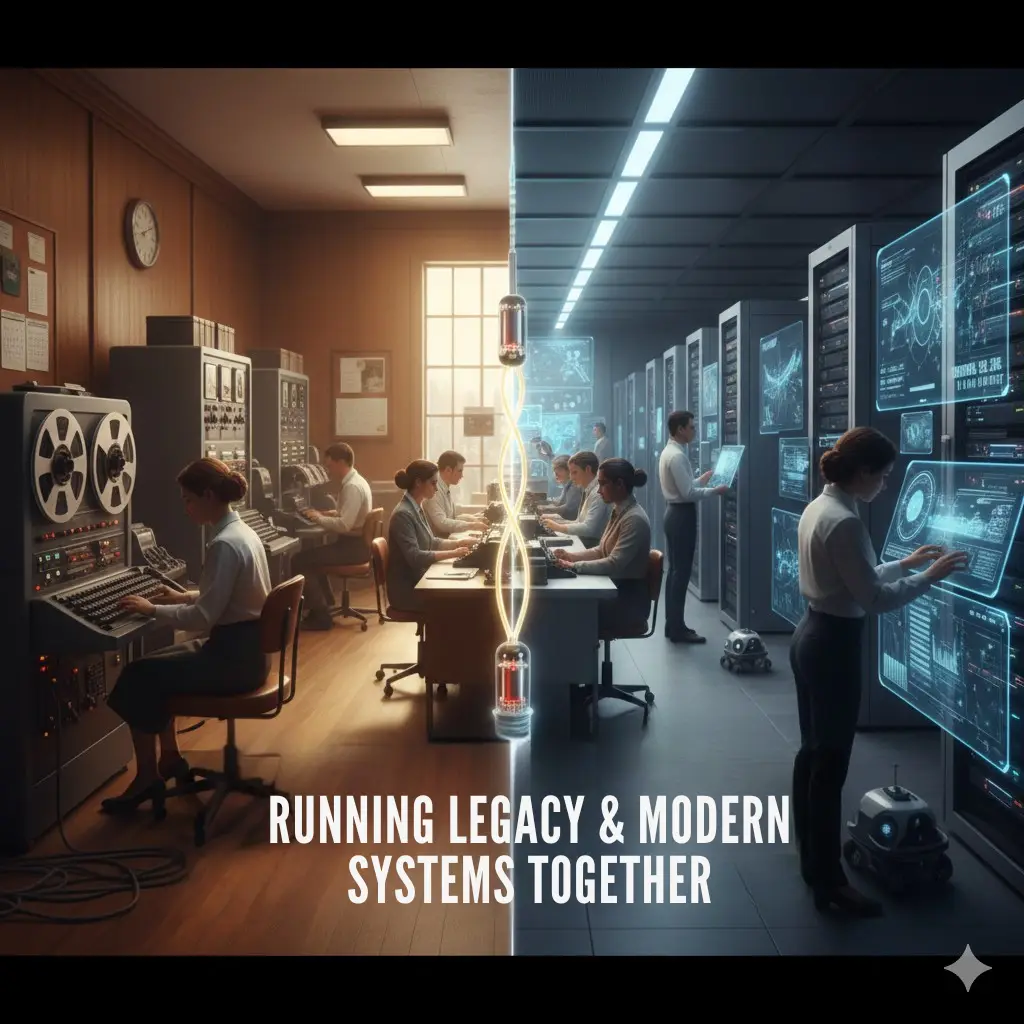
Running Legacy & Modern Systems Together One of the biggest fears during modernization is: “Can we keep the old system
Common Mistakes Companies Make During Legacy Modernization By the time organizations reach modernization, they already know why it is needed and what to do.However,
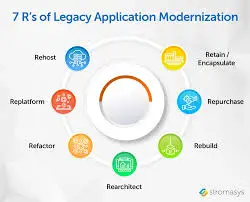
How Long Does Legacy Modernization Take? After understanding cost, the next question leaders ask is: “How much time will modernization
How Much Does Legacy Modernization Cost? After technology, architecture, cloud, and DevOps — the final question every organization asks is:

Performance & Scalability Optimization After achieving zero‑downtime deployments, the final pillar of Cloud & DevOps modernization is ensuring the system performs
Zero‑Downtime Deployment Modern users expect applications to be always available.In legacy systems, deployments often meant late‑night releases, maintenance windows, and anxious
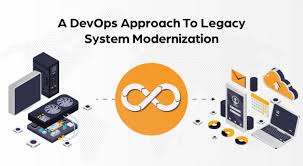
CI/CD for Legacy Modernization After moving applications to the cloud, the next critical capability is how updates are delivered.CI/CD transforms deployments
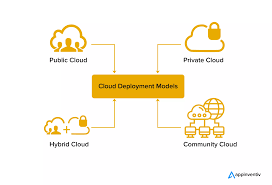
Deploying Modern Applications on Cloud After modernizing backend and frontend, the next transformation step is where and how the application runs.Cloud
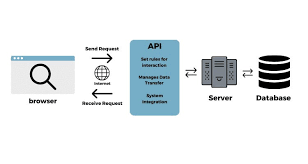
Frontend–Backend Integration Best Practices After redesigning screens and adopting component‑based UI, the final piece of frontend modernization is how the UI
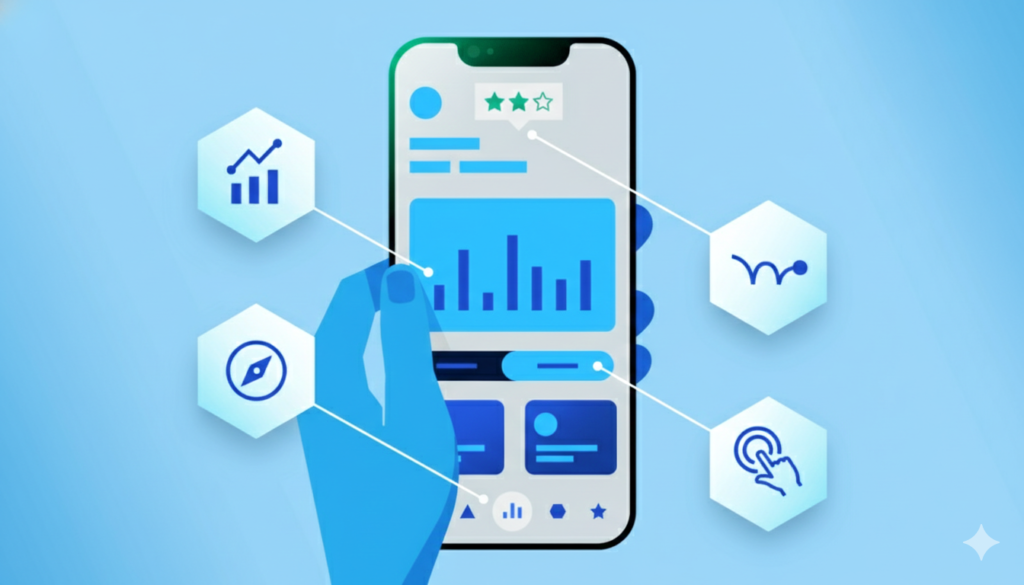
Converting Legacy Screens to Modern UX After adopting component‑based architecture, the next challenge is transforming old screens into modern user experiences.This
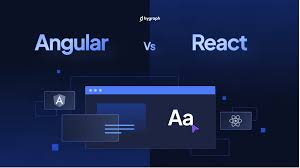
Component‑Based UI (Angular / React) After understanding why WebForms cannot be migrated 1:1, the next step is adopting Component‑Based UI architecture.This
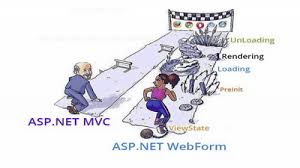
Why WebForms Can’t Be Migrated 1:1 One of the most common and costly mistakes in legacy modernization is the belief

Authentication & Security Modernization Modernizing backend without modernizing security is like renovating a building but leaving the doors unlocked.Legacy systems often work
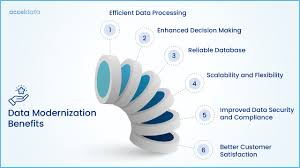
Database Modernization Strategy If business logic is the brain of a system, the database is its memory.Modernizing backend without modernizing the database leads
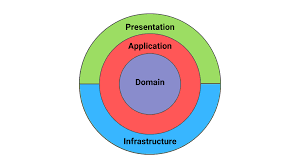
Clean Architecture for Modern Systems After exposing business logic through APIs, the next step is ensuring the system remains maintainable for
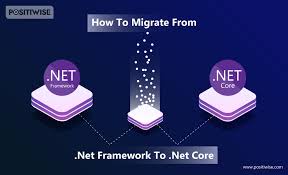
Migrating to .NET Core APIs Once legacy business logic is safely extracted, the next major step is exposing that logic through
Extracting Legacy Business Logic Safely When organizations begin modernization, the biggest hidden risk is not UI, not database, not infrastructure —
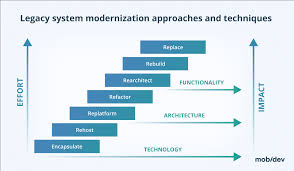
Building a Legacy Modernization Roadmap: What to Modernize First and What to Delay Introduction: Modernization Without a Roadmap = Chaos
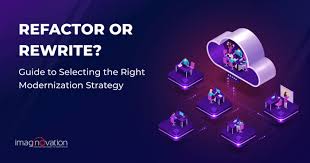
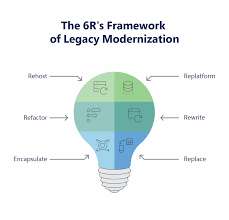
Choosing the Right Legacy Modernization Path: Rewrite, Re‑platform, or Refactor? Introduction: One Size Does NOT Fit All When organizations decide
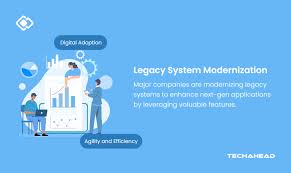
Legacy Modernization Readiness Checklist: Are You Really Prepared to Modernize? Introduction: Wanting Modernization vs Being Ready Many organizations want to modernize legacy
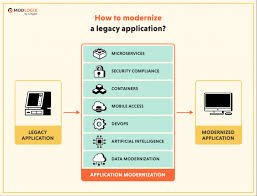
Assessing Legacy Systems: How to Know What to Modernize First Introduction: Not Everything Needs Modernization One of the biggest mistakes
The SOAR Legacy Modernization Framework: A Safe, Structured Path from Risk to Resilience Introduction: Modernization Needs a Framework, Not Experiments
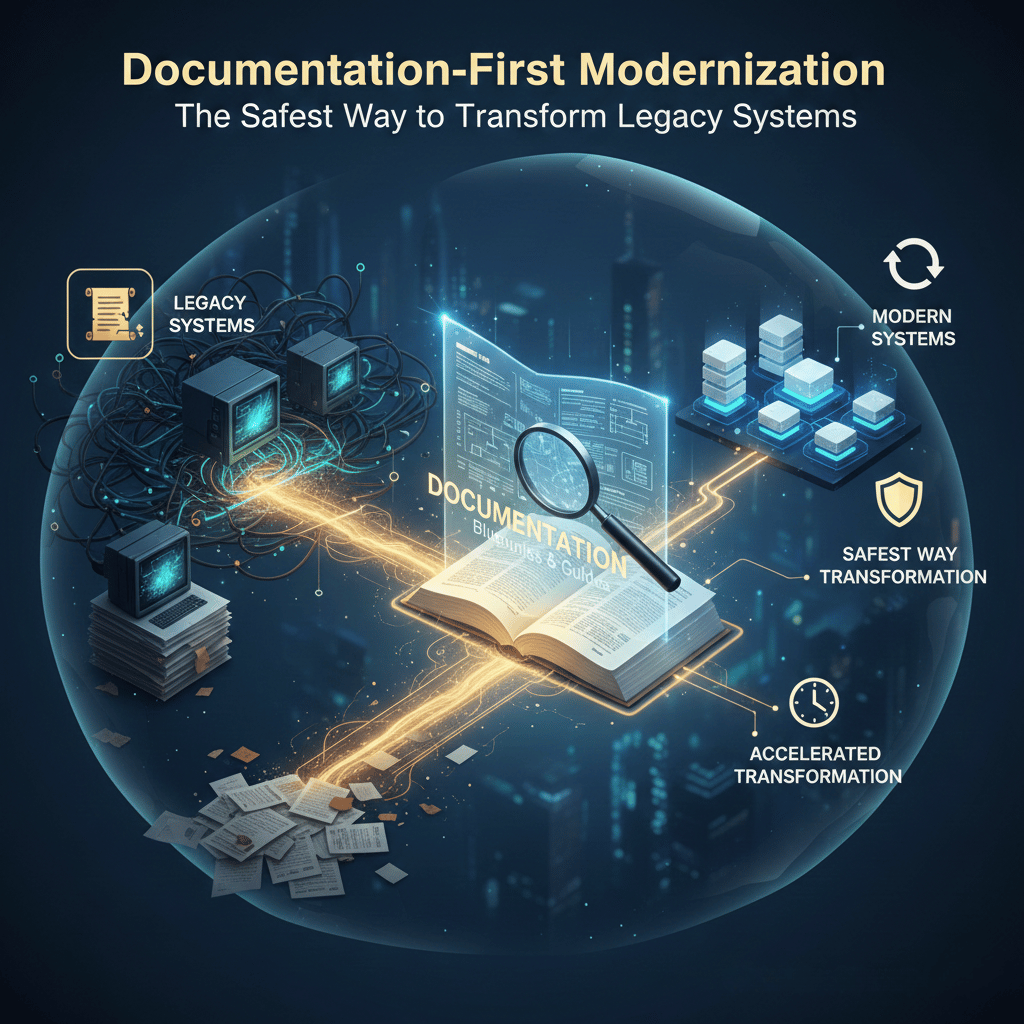
Why Documentation‑First Modernization Is the Safest Way to Transform Legacy Systems Introduction: You Can’t Modernize What You Don’t Understand Most
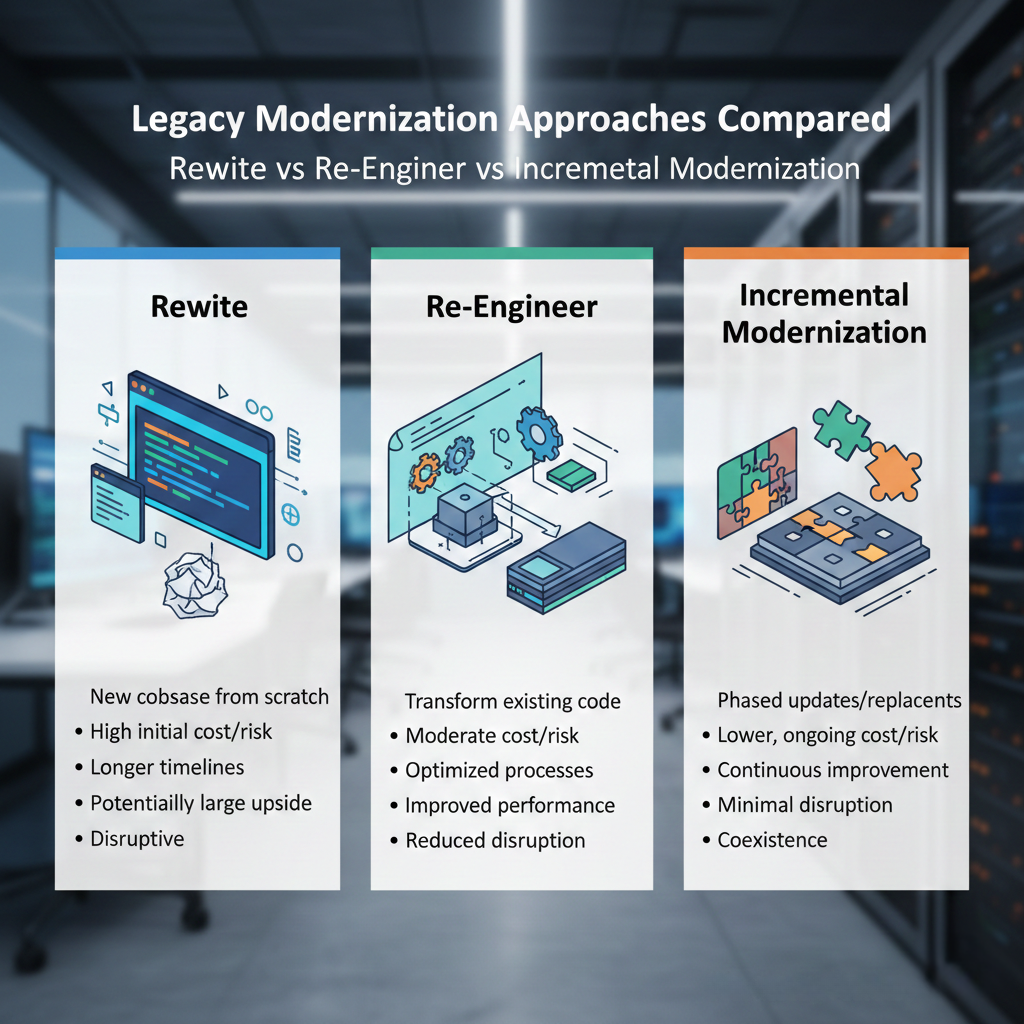
Legacy Modernization Approaches Compared: Rewrite vs Re‑Engineer vs Incremental Modernization Introduction: One Goal, Multiple Paths Once a business agrees that
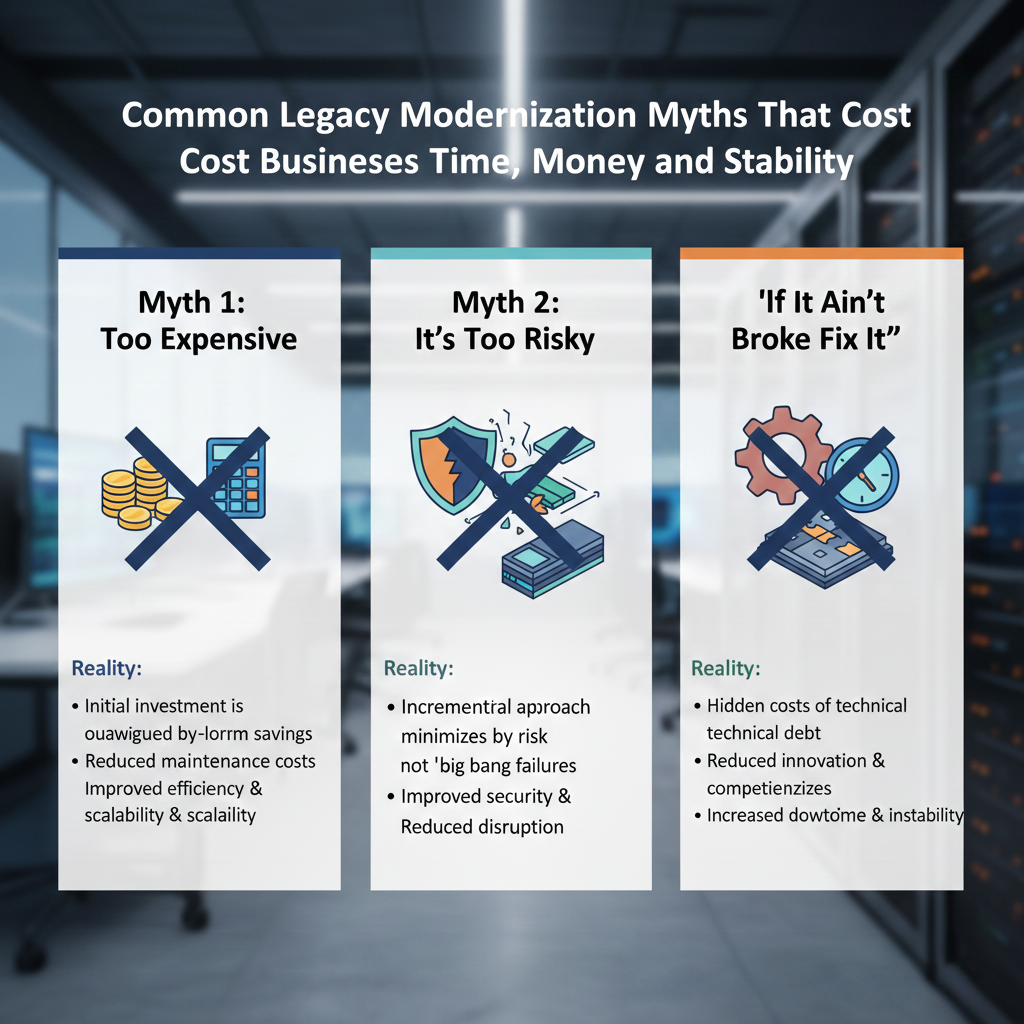
Common Legacy Modernization Myths That Cost Businesses Time, Money, and Stability Introduction: Why Modernization Often Fails Before It Starts Legacy
Why Legacy Modernization Is No Longer Optional — It’s a Business Survival Decision Introduction: The Question Has Changed Earlier, businesses
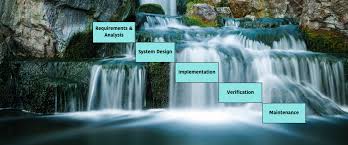
The Waterfall Development Era: Why Legacy Projects Took Years — and Why That No Longer Works Introduction: When Planning Was

Cloud Revolution: Why Legacy Applications Start Failing in a Cloud‑First World Introduction: The World Moved to Cloud — Legacy Didn’t
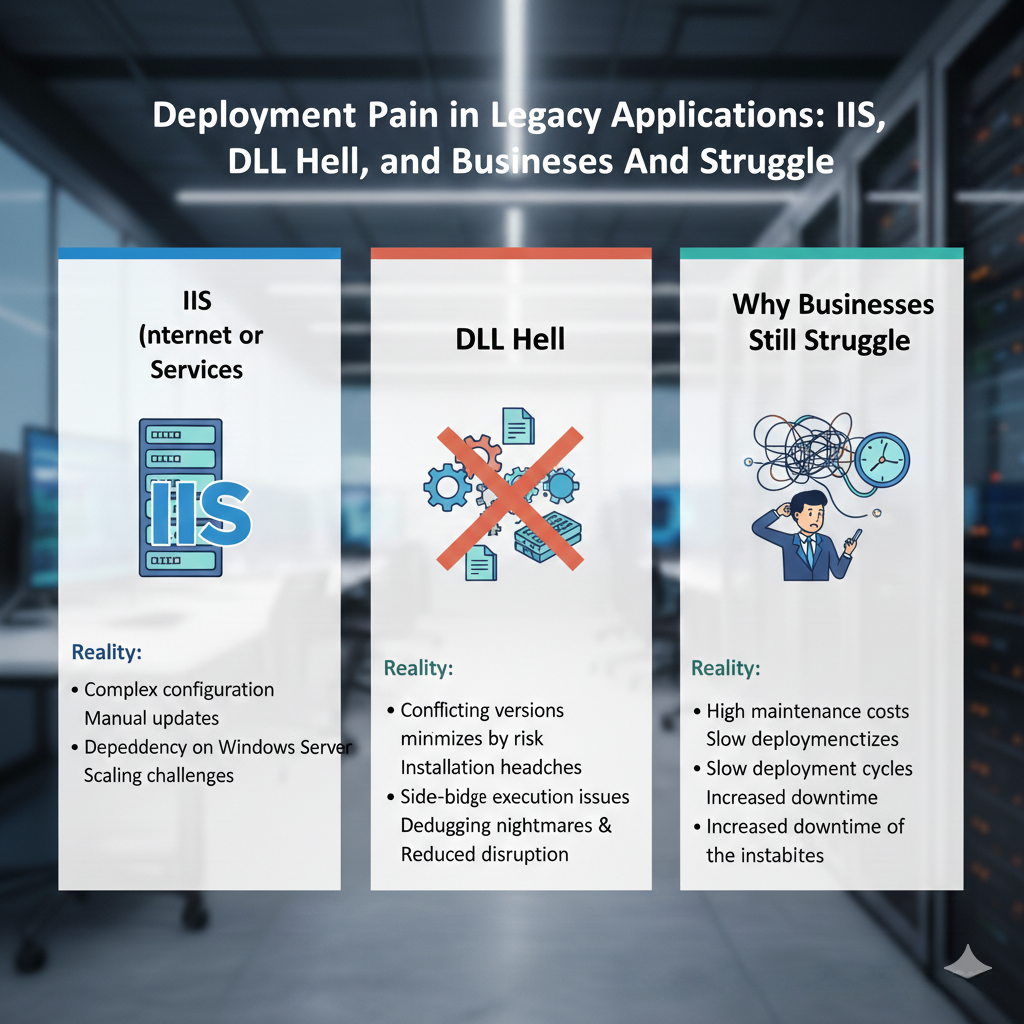
Deployment Pain in Legacy Applications: IIS, DLL Hell, and Why Businesses Still Struggle Introduction: When Deployment Became the Biggest Risk
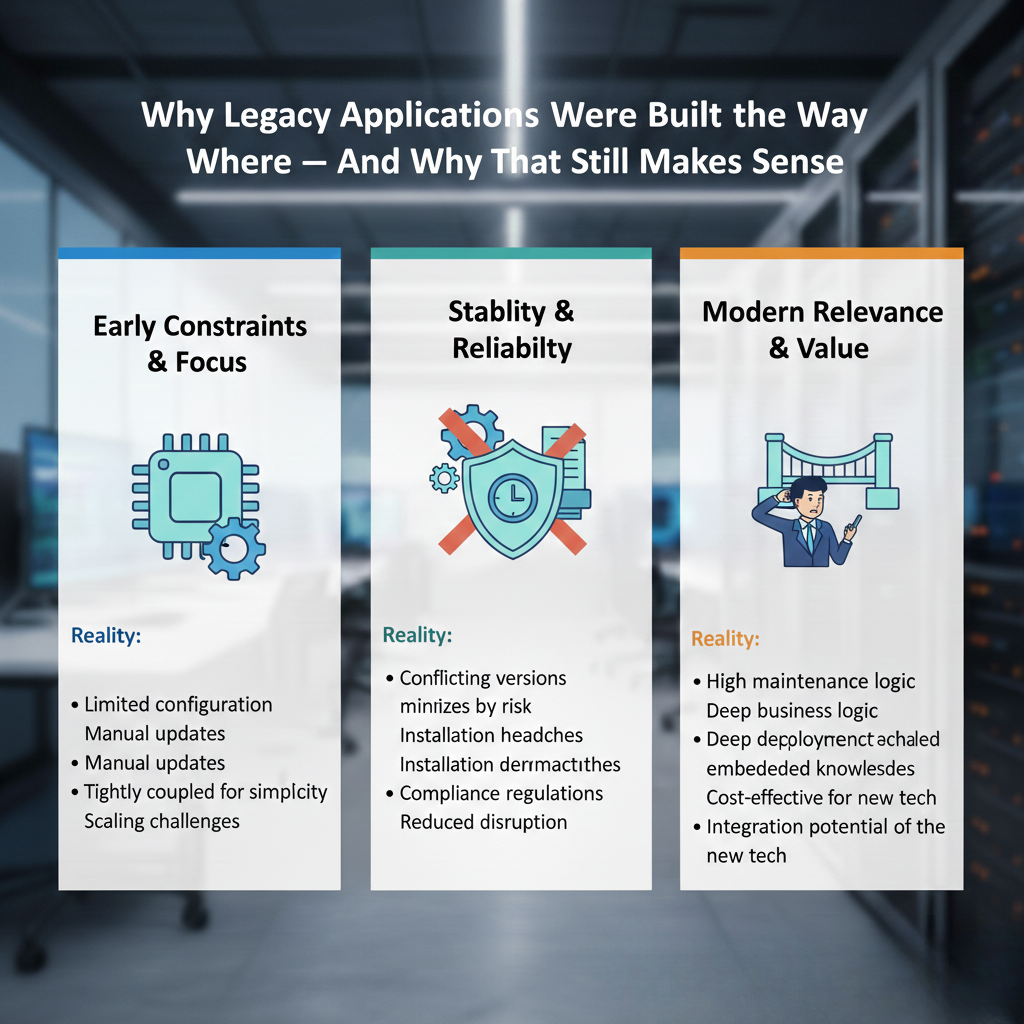
Why Legacy Applications Were Built the Way They Were — And Why That Still Makes Sense Introduction: Legacy Design Was
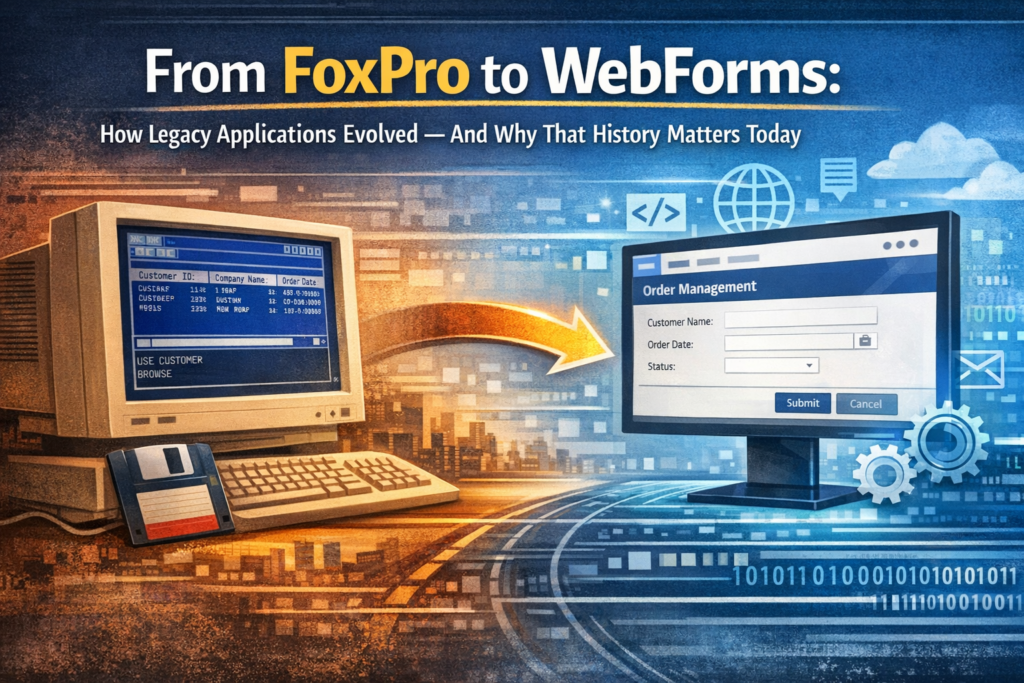
Introduction: Software Didn’t Break — It Evolved Enterprise software didn’t suddenly become “legacy.”It evolved step by step — solving real

Learn why delaying legacy modernization increases business risk and how SOAR Technologies helps companies modernize safely and strategically.
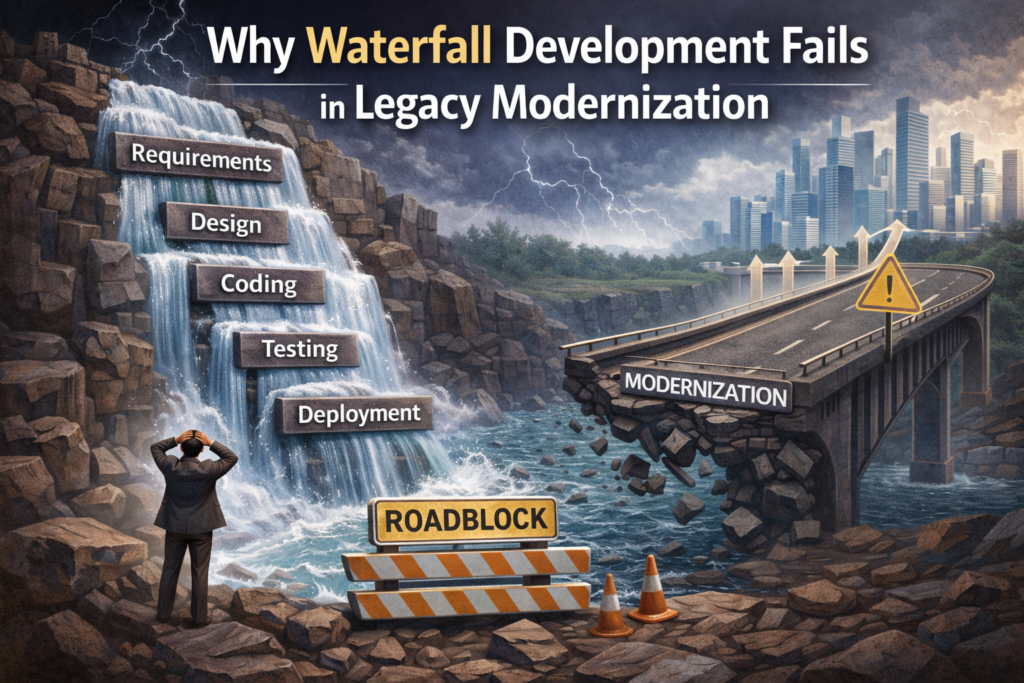
For decades, the Waterfall development model was the standard way to build enterprise software. Requirements were collected upfront, development happened
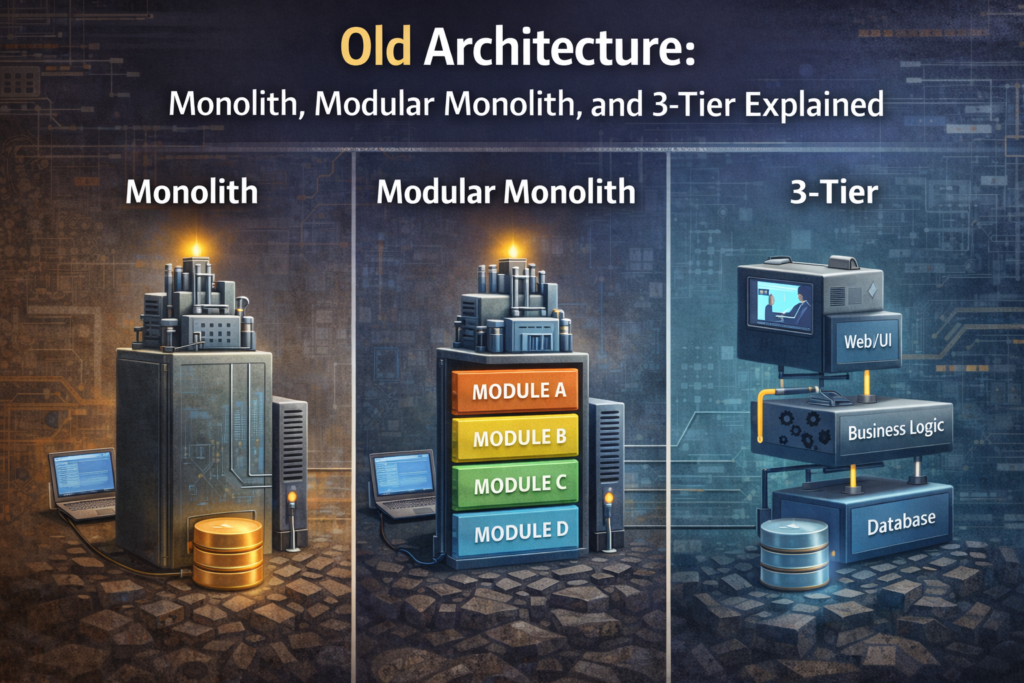
Most legacy enterprise applications were built using architectures that were considered best practices at the time. These architectures powered businesses
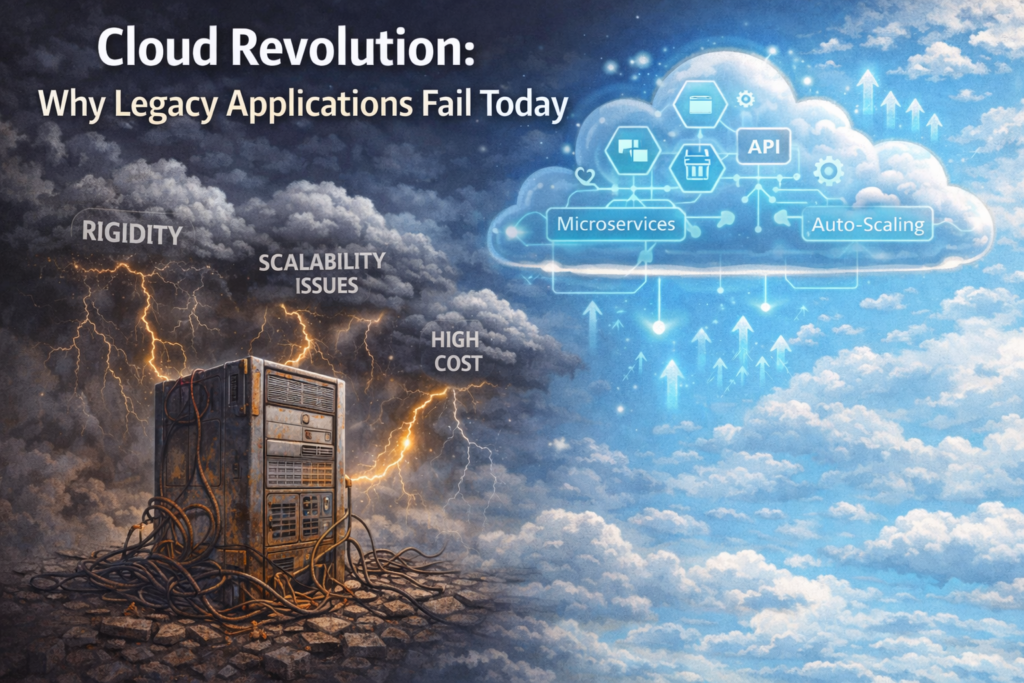
Cloud computing fundamentally changed how software is built, deployed, and scaled. For modern businesses, cloud is no longer optional —
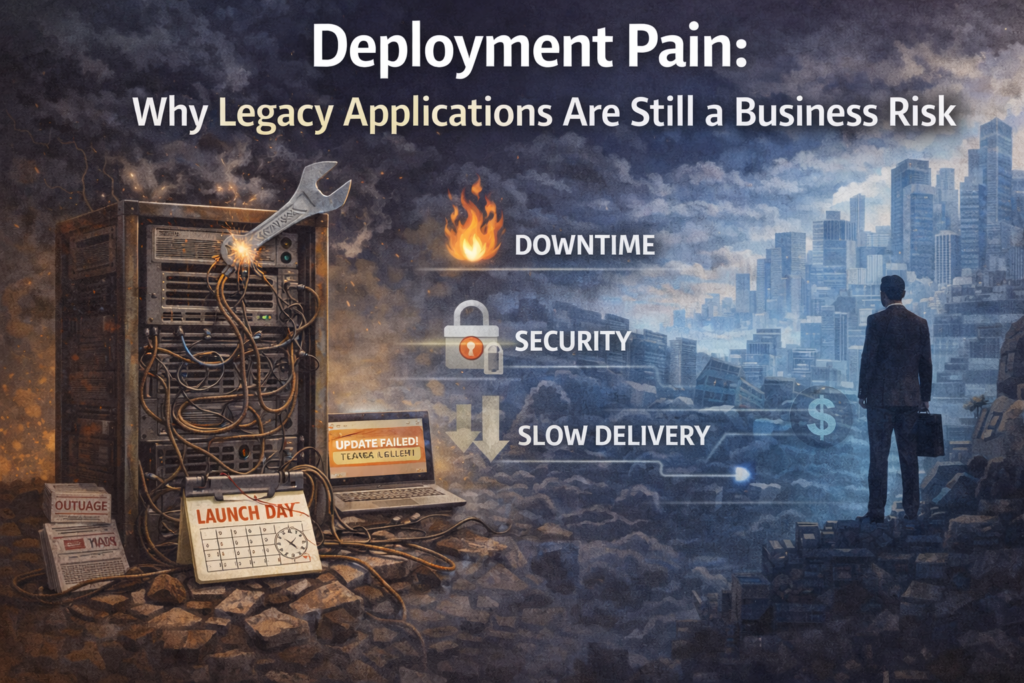
For many businesses running legacy software, deployment is not just a technical activity — it is a major business risk.
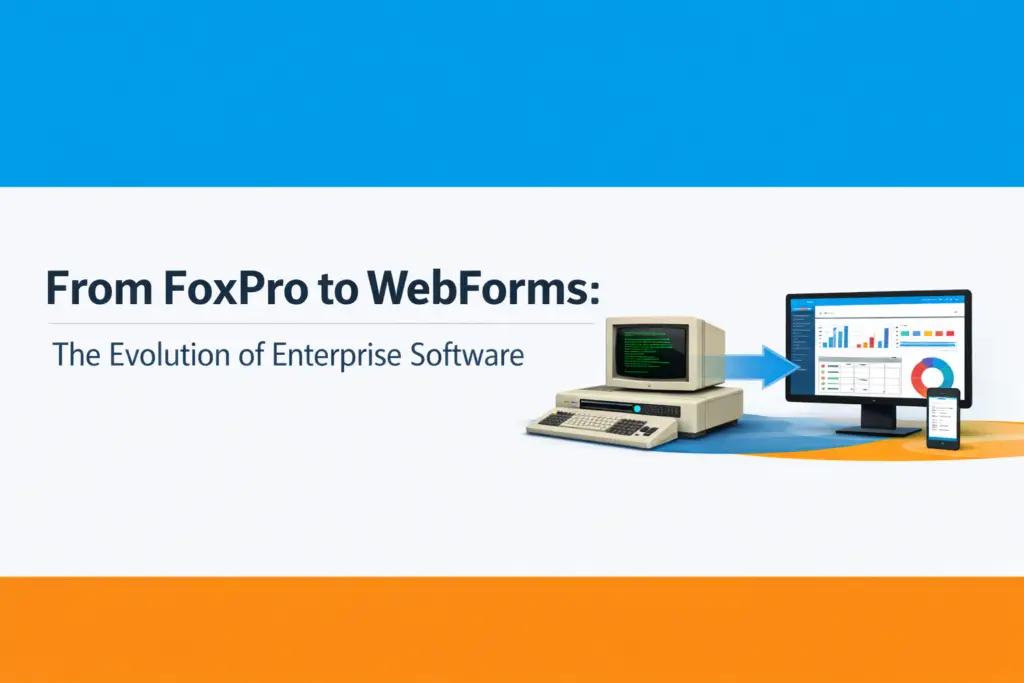
Learn how enterprise software evolved from FoxPro and VB6 to ASP Classic and WebForms—and why this evolution matters for legacy modernization today.
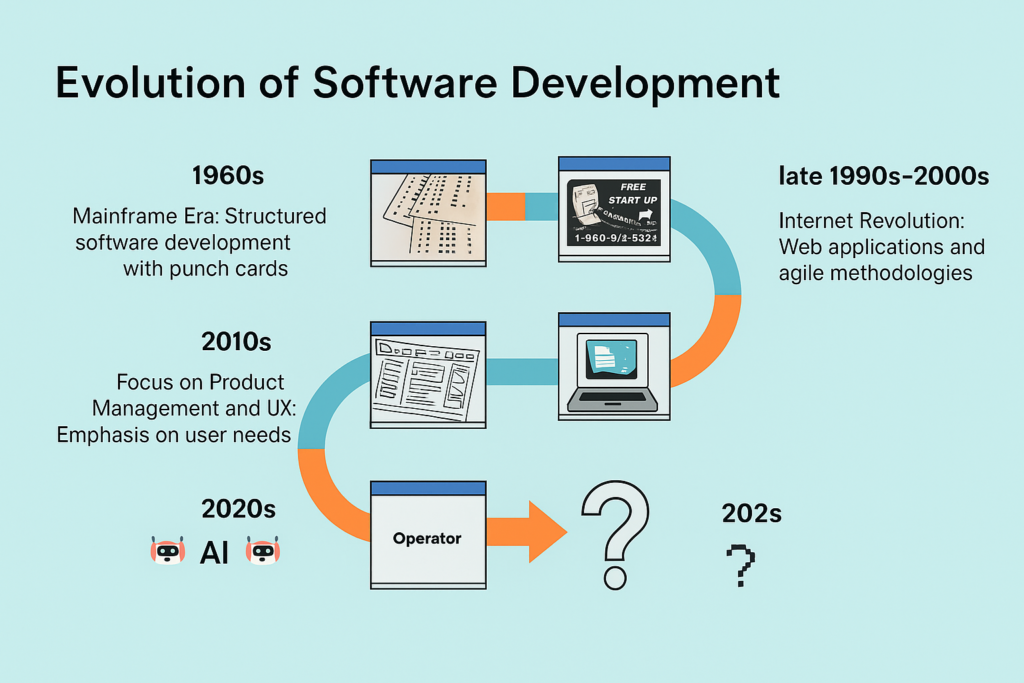
Early software development required logic-first thinking — long before modern UI tools. When We Started Learning Software Development — And